Can You Sleep Anywhere in a Campervan in Australia?
Planning a campervan road trip in Australia? Find out where you can legally sleep, how to find free campsites and what to know about overnight parking.

Alannah F
Marketing Manager
Can You Sleep Anywhere in a Campervan in Australia?
Australia is one of the best countries in the world for a campervan road trip. With incredible coastlines, national parks, outback landscapes and thousands of kilometres of open road, travelling by campervan gives you the freedom to explore at your own pace.
But before setting off, there's one important question to answer: can you sleep anywhere in a campervan in Australia?
The short answer is no. Although Australia has plenty of free camping opportunities, you cannot simply park up and sleep wherever you like. Overnight parking rules vary between states, territories and local councils, and some areas have strict restrictions on sleeping in vehicles.
The good news is that there are plenty of affordable places to stay, including free campsites, designated rest areas and low-cost caravan parks. Here's everything you need to know before planning your Australian campervan adventure.
Is it legal to sleep in a campervan anywhere in Australia?
No. Sleeping in a campervan is legal in many places across Australia, but you must follow local parking and camping regulations.
Some towns and coastal areas prohibit overnight stays in vehicles outside designated camping areas. You might see signs stating that overnight camping or sleeping in vehicles is prohibited, even if parking during the day is permitted.
Rules can differ significantly depending on where you are travelling. For example, a rest area might allow overnight stops in one state but have different restrictions elsewhere. National parks also have their own camping rules, and you will generally need to stay in designated camping areas rather than parking wherever you find a suitable spot.
Before settling in for the night, always check local signs and council regulations. If you're unsure, look for an official campsite or contact the relevant local authority.
Where can you legally sleep in a campervan in Australia?
You don't need to pay for a campsite every night when travelling around Australia. There are several options for finding somewhere to stay, depending on your route, budget and facilities.
1. Free campsites
Free campsites are one of the best ways to keep the cost of a campervan road trip down. They can be found throughout Australia, particularly in regional areas and along popular driving routes.
Facilities vary considerably. Some have toilets, picnic tables, rubbish bins and even basic showers, while others are little more than a designated parking area.
Free campsites are often first come, first served, so it's worth arriving earlier in the day during busy travel periods. Always check whether overnight stays are permitted and whether there are any restrictions on vehicle size or length of stay.
2. Designated rest areas
Australia has a network of roadside rest areas designed to give drivers somewhere to stop and take a break.
Some allow overnight stays, making them useful for longer journeys between destinations. However, not every rest area permits camping or overnight parking, and some have maximum stay limits.
Rest areas are generally intended for travellers to rest safely rather than as a substitute for a campsite. Facilities may be limited, so don't expect showers, electricity or other amenities.
3. National park campsites
Australia's national parks offer some of the most spectacular places to spend the night. From coastal campsites overlooking the ocean to remote spots surrounded by bushland, they can be a highlight of a campervan trip.
Most national parks require visitors to camp in designated areas, and many require advance bookings or camping permits. Fees and facilities vary depending on the park.
If you're planning to visit popular destinations during school holidays or peak season, book ahead wherever possible.
4. Caravan parks and holiday parks
If you want access to proper facilities, caravan parks are a convenient option.
Many offer powered and unpowered pitches, toilets, showers, laundry facilities, communal kitchens and sometimes swimming pools. They're particularly useful if you've been travelling off-grid and need to recharge, refill water or catch up on laundry.
Caravan parks are usually more expensive than free camping, but you can balance your budget by mixing paid stays with free or low-cost options where permitted.
5. Private property and farm stays
Another option is to stay on private land where the owner allows overnight camping.
Farm stays and private campsites can offer a more unusual experience than traditional caravan parks, with opportunities to stay in rural locations and discover parts of Australia you might otherwise miss.
Make sure you have permission before staying on private property. Never assume that an empty field or roadside area is available for camping.
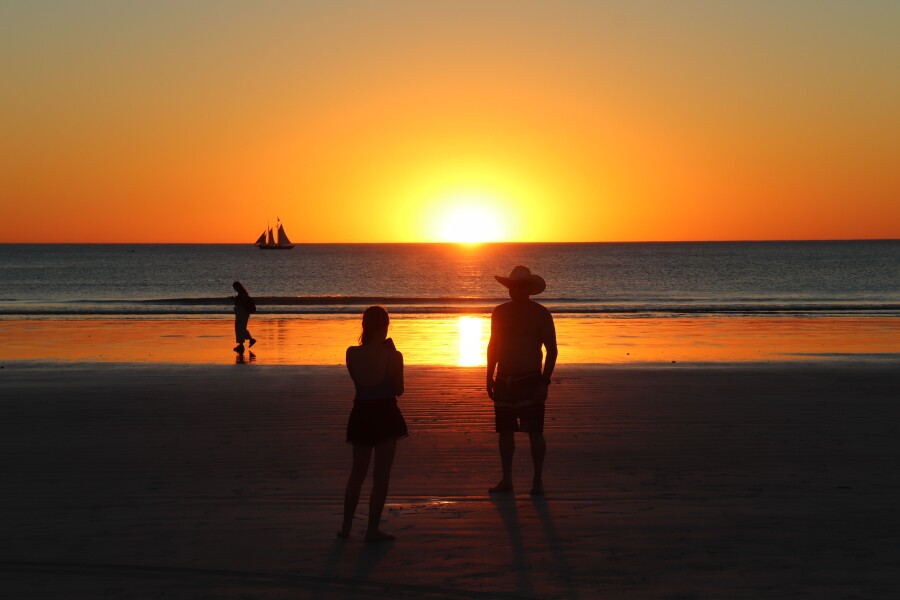
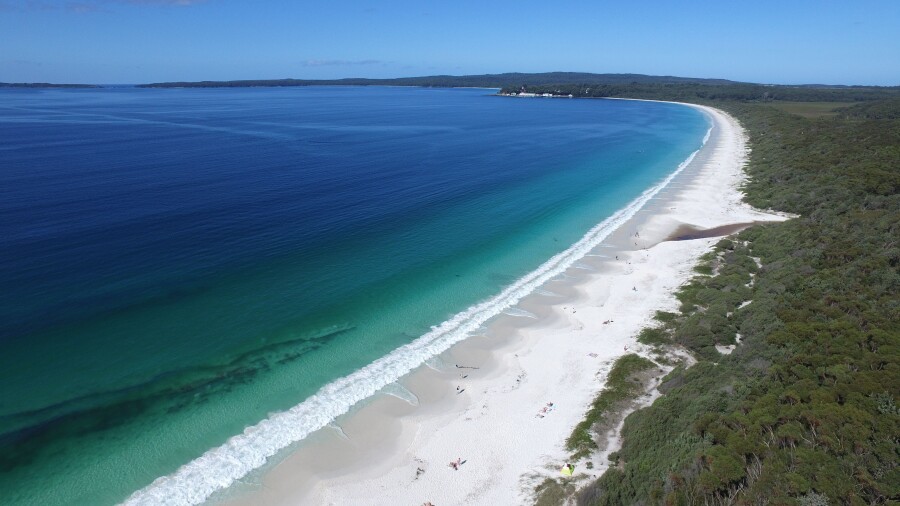
Can you sleep in a campervan at the beach in Australia?
Australia has some incredible beaches, so waking up beside the ocean might sound like the perfect campervan experience.
However, you generally cannot assume that you can park overnight at any beach car park. Many coastal councils restrict overnight parking and camping, particularly in popular tourist areas.
Some beaches have designated beachfront camping areas where overnight stays are permitted. These can be particularly popular, so check booking requirements and availability in advance.
If you want to stay near the coast, search for official beachside campsites, holiday parks and designated free camping areas. You can still enjoy spectacular ocean views without risking a fine.
How to find free campsites in Australia
Finding somewhere affordable to stay is much easier when you plan ahead. There are several useful resources that can help you locate free and low-cost camping areas along your route.
WikiCamps Australia is a popular camping app that helps travellers find campsites, rest areas, caravan parks and other overnight stops. It includes user reviews, photographs and information about available facilities.
CamperMate is another useful resource for finding campsites, facilities and points of interest across Australia.
Google Maps can also help you discover caravan parks and camping areas, although you should always verify that overnight stays are permitted through an official source.
It's worth downloading maps and campsite information before travelling through remote areas, where mobile coverage can be limited.
What are the rules for freedom camping in Australia?
Freedom camping generally refers to staying overnight outside traditional paid accommodation, but the rules are not the same across the country.
Australia doesn't have one nationwide freedom camping policy. Each state and territory has its own regulations, while local councils can introduce additional restrictions.
Here are a few important things to remember:
Check local signage: Look for restrictions on overnight parking, camping and sleeping in vehicles.
Use designated areas: If an area is marked as a campsite or overnight rest area, follow the rules and any maximum stay limits.
Respect private property: Always get permission before camping on private land.
Leave no trace: Take all rubbish with you and avoid damaging the surrounding environment.
Protect local wildlife: Don't feed animals or leave food waste behind.
Follow fire restrictions: Total fire bans and local fire rules must always be observed.
Dispose of waste responsibly: Use designated dump points and never empty waste into drains, waterways or the natural environment.
Being considerate of local communities and the environment helps protect Australia's camping areas for future travellers.
How much does camping cost in Australia?
One of the biggest advantages of travelling by campervan is that you can combine free overnight stops with paid campsites to keep accommodation costs under control.
Free campsites and some roadside rest areas cost nothing, while low-cost council and national park campsites can offer affordable alternatives to commercial caravan parks.
Commercial caravan parks generally cost more, particularly in popular coastal destinations and during peak travel periods. Prices depend on the location, facilities, time of year and whether you need a powered pitch.
If you're travelling on a budget, consider staying at paid campsites every few nights rather than booking one every evening. This gives you access to showers, laundry and other facilities without making accommodation your biggest expense.
Can you travel around Australia in a campervan for $1 a day?
Yes! One way to make an Australian campervan road trip considerably more affordable is through a vehicle relocation.
Rental companies regularly need to move campervans and motorhomes between locations to meet demand. Rather than transporting these vehicles themselves, they offer travellers the opportunity to drive them to another depot.
Through Imoova, travellers can find campervan and motorhome relocation deals across Australia for just $1 per day.
You'll be given a specific collection location, destination and travel period, allowing you to explore the route while helping the rental company move its vehicle.
Some relocations also include additional benefits, such as fuel reimbursements or mileage allowances. These vary by listing, so check the individual vehicle details before booking.
Relocations are particularly useful if you're flexible with your travel dates and destinations. Instead of paying traditional campervan hire prices, you can secure a vehicle for $1 per day and spend more of your budget exploring Australia.
Browse the latest campervan and motorhome relocations with Imoova to see which routes are available.
Frequently Asked Questions
Can you sleep in a campervan overnight in Australia?
Yes, you can sleep overnight in a campervan in Australia, provided you're parked somewhere that permits overnight stays. This includes designated campsites, some rest areas, caravan parks and approved free camping locations. Always check local regulations before stopping for the night.
Can you sleep in a campervan at a motorway rest stop in Australia?
Some Australian motorway and roadside rest areas allow overnight stays, but restrictions vary. Check the signs at the rest area and follow any maximum stay limits. Some locations are intended for short driver breaks only.
Can you sleep in a campervan in a supermarket car park?
You should never assume that you can sleep overnight in a supermarket car park. Private car parks are subject to the owner's rules, and local regulations may also restrict overnight stays. Always obtain permission and check the relevant signage.
Is free camping legal in Australia?
Yes, free camping is legal in designated areas where overnight stays are permitted. However, you cannot camp anywhere you like. Local council restrictions, national park regulations and private property rules all apply.
Do you need to book campsites in Australia?
Not always. Many free campsites operate on a first-come, first-served basis. However, popular national park campsites and commercial caravan parks often require bookings, particularly during school holidays and peak travel seasons.
Can you camp in a national park in Australia?
Yes, but you generally need to stay in designated camping areas. Some national parks require advance reservations, camping permits or payment of a camping fee. Check the relevant park authority's website before arriving.
Start planning your Australian campervan road trip
You might not be able to sleep just anywhere in Australia, but there are thousands of campsites, rest areas and affordable overnight stops to discover along the way.
With a little planning, you can enjoy everything from coastal campsites to remote outback locations without spending a fortune on accommodation.
And if you want to save even more on transport, an Imoova relocation is a great way to explore Australia in a campervan or motorhome for just $1 per day.
Ready to hit the road? Explore the latest Imoova vehicle relocation deals and find your next Australian adventure.
Follow Us On Socials
Stay connected for the latest updates and travel inspiration