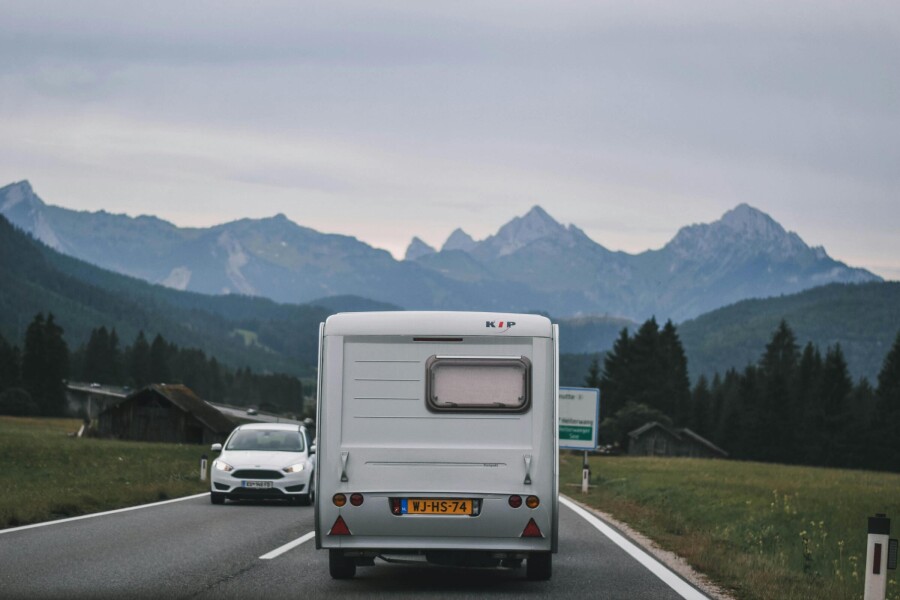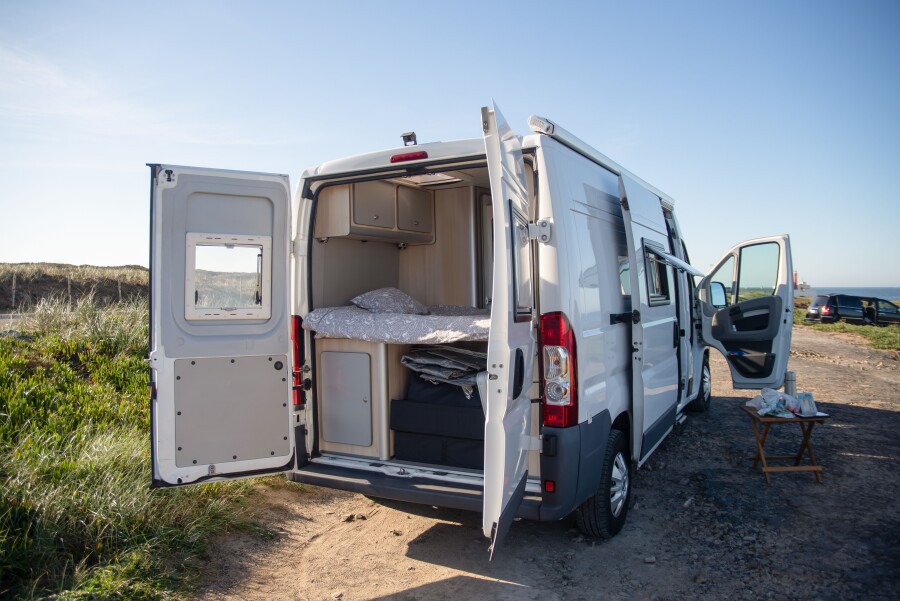
What to Pack for a Campervan Road Trip
Not sure what to pack for a campervan road trip? Discover the essential clothing, kitchen equipment, toiletries, safety items and travel accessories to bring.

Alannah F
Marketing Manager
What to Pack for a Campervan Road Trip: The Ultimate Checklist
A campervan road trip is one of the best ways to explore a new destination. You have your transport and accommodation in one place, the freedom to change your plans and the opportunity to wake up somewhere different every morning.
But knowing what to pack can be a little more complicated than preparing for a standard holiday.
Space is limited, you'll need to think about cooking and sleeping arrangements, and the essentials will depend on your destination, vehicle and the time of year you're travelling.
Whether you're heading off for a weekend away or planning a month-long adventure, this campervan packing list covers everything you need to make your trip comfortable, practical and stress-free.
1. Clothing and footwear
When packing for a campervan trip, it's tempting to bring an outfit for every occasion. However, storage space is usually limited, so it's best to pack versatile clothing that you can mix and match.
Your clothing checklist should include:
Comfortable everyday outfits.
Underwear and socks.
T-shirts and lightweight tops.
Shorts and trousers.
A warm jumper or fleece.
Waterproof jacket.
Comfortable walking shoes.
Sandals or flip-flops.
Swimwear.
Sleepwear.
Sunglasses and a sun hat.
Think about the weather and activities you have planned. If you're travelling through multiple climates, layers are much more useful than bulky clothing.
A lightweight waterproof jacket is particularly useful, even if you're travelling somewhere generally warm.
2. Kitchen essentials
One of the biggest advantages of travelling by campervan is having the option to prepare your own meals.
Depending on your vehicle, some kitchen equipment may already be provided. Always check the vehicle specifications before packing so you don't bring unnecessary items.
Useful kitchen essentials include:
Reusable water bottles.
Travel mugs.
Food storage containers.
Reusable shopping bags.
Tea towels.
Washing-up liquid.
Sponge or dish brush.
Kitchen roll.
Basic cooking utensils.
Reusable cutlery.
Plates and bowls, if not supplied.
Mugs and glasses, if not supplied.
Food clips and resealable bags.
If your campervan has a fridge, you can buy fresh ingredients along the way rather than carrying everything from the beginning.
It's also worth packing a few easy meals and snacks for long driving days, particularly when travelling through remote areas.
3. Toiletries and personal care
Bathroom space in a campervan can be limited, so travel-sized toiletries and compact storage bags are useful.
Pack the essentials you use every day, including:
Toothbrushes and toothpaste.
Shampoo and conditioner.
Body wash.
Deodorant.
Moisturiser.
Sunscreen.
Hairbrush or comb.
Razor.
Hand sanitiser.
Wet wipes.
Toilet paper.
Personal medications.
Basic first-aid supplies.
If your campervan doesn't have an onboard bathroom, you'll need to make use of campsite facilities and public amenities.
Biodegradable toiletries can also be useful when travelling in areas with limited facilities, but always follow local rules about wastewater disposal.
4. Bedding and sleeping essentials
Check what bedding is included with your campervan before setting off. Some rentals provide everything you need, while others charge extra for bedding packs.
Depending on the vehicle, you might need to bring:
Sleeping bags or duvets.
Pillows.
Pillowcases.
Sheets.
Extra blankets.
Eye mask.
Earplugs.
A comfortable night's sleep can make a huge difference when you're spending several weeks on the road.
If you're travelling somewhere with cold nights, pack an extra layer of bedding rather than relying entirely on the vehicle's heating system.
5. Electronics and travel accessories
You'll probably use your phone for navigation, campsite research, photography and keeping in touch while travelling.
Make sure you have the right accessories to keep everything charged and accessible.
Useful items include:
Smartphone.
Phone charging cable.
USB or 12V car charger.
Power bank.
Camera and accessories.
Headphones.
Travel adapter.
Portable speaker.
Tablet or e-reader.
Offline maps downloaded to your phone.
If you're travelling internationally, check whether your phone plan includes data in your destination. A local SIM or eSIM can be useful for accessing maps and travel information.
Remember that not every campervan has the same power facilities. Check whether your vehicle has USB ports, a 12V socket or mains electricity, and plan your charging around what is available.
6. Safety and emergency essentials
It's important to be prepared for unexpected situations, particularly if you're travelling through remote areas.
Your safety checklist should include:
First-aid kit.
Torch or headlamp.
Spare batteries.
High-visibility vest.
Basic emergency contact information.
Reusable water supply.
Any essential personal medication.
Roadside assistance details.
A copy of your rental agreement and insurance information.
Some safety equipment may already be supplied with your rental vehicle. Check before purchasing or packing anything extra.
If you're travelling through remote regions, plan your fuel stops carefully, carry sufficient drinking water and let someone know your intended route.
7. Cleaning and laundry essentials
Living in a small space means keeping things organised is particularly important.
A few basic cleaning and laundry items can make your campervan much more comfortable.
Consider packing:
Microfibre cloths.
Small cleaning spray.
Bin bags.
Laundry detergent.
Reusable laundry bag.
Clothes pegs.
Quick-drying travel towel.
Small hand brush and dustpan, if useful.
You don't need to bring full-sized household cleaning products. Compact, multipurpose items will save space.
8. Outdoor and adventure essentials
One of the best parts of a campervan road trip is being able to stop and enjoy the places you discover along the way.
Depending on your itinerary, you might want to pack:
Swimwear and beach towel.
Snorkelling mask.
Sunglasses.
Sun hat.
Picnic blanket.
Reusable water bottle.
Hiking daypack.
Waterproof dry bag.
Portable outdoor chairs, if not supplied.
Binoculars for wildlife spotting.
Sports or activity equipment.
You don't need to bring everything from home. Many destinations have shops where you can pick up additional equipment if needed.
9. Important travel documents
Before leaving, make sure you have all the documents you need for your trip.
These may include:
Driving licence.
Passport.
International Driving Permit, if required.
Vehicle rental or relocation confirmation.
Insurance documentation.
Travel insurance details.
Booking confirmations.
Emergency contact numbers.
If you're travelling internationally, check the driving requirements for your destination and make sure your licence is accepted.
Keep digital copies of important documents somewhere accessible offline, as mobile coverage isn't guaranteed everywhere.
10. What should you not pack for a campervan road trip?
It's just as important to know what to leave behind.
Overpacking can make a campervan feel cramped and leave you with less space for food, luggage and everyday essentials.
Avoid bringing:
Too many pairs of shoes.
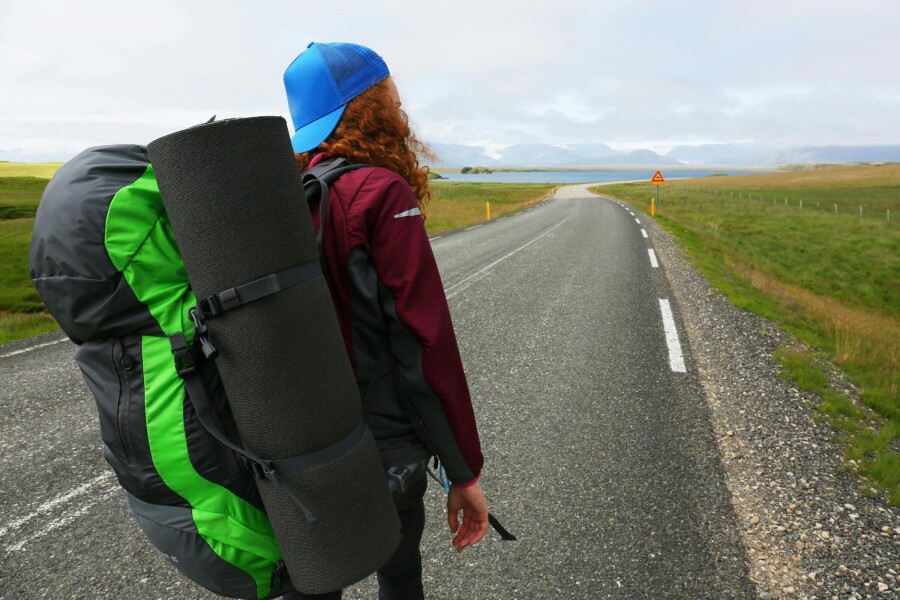
Bulky suitcases that are difficult to store.
Full-sized toiletries when travel sizes will do.
Unnecessary kitchen equipment.
Excessive clothing.
Items already supplied with your rental vehicle.
Expensive equipment you don't need for your itinerary.
Soft-sided bags are often easier to store than hard-shell suitcases, particularly in compact campervans.
Campervan packing tips to make your trip easier
Once you've gathered your essentials, a little organisation will make life on the road much easier.
Use packing cubes: Keep clothing organised and make it easier to find what you need without unpacking everything.
Create a daily essentials bag: Keep toiletries, chargers, medication and other everyday items somewhere accessible.
Pack for your itinerary: A beach road trip requires different equipment from a winter mountain adventure. Check the weather and planned activities before deciding what to bring.
Check what's included: Rental vehicles vary, so check whether bedding, kitchen equipment, cooking utensils and safety equipment are supplied.
Leave some spare space: You'll inevitably pick up food, souvenirs and other items along the way. Avoid filling every available storage space before you leave.
Frequently Asked Questions
What are the most important things to pack for a campervan road trip?
The essentials include clothing, toiletries, bedding, personal medication, travel documents, chargers, reusable water bottles and any kitchen equipment not supplied with your vehicle. A first-aid kit and torch are also useful.
Do campervan rentals include bedding and kitchen equipment?
It depends on the rental company and vehicle. Some campervans include bedding, cooking equipment and kitchen utensils, while others offer them as optional extras. Always check the vehicle listing before booking.
Should I take a suitcase or backpack on a campervan trip?
A backpack or soft-sided travel bag is often easier to store in a campervan than a large hard-shell suitcase. Storage space can be limited, particularly in smaller vehicles.
How many clothes should I pack for a campervan road trip?
This depends on the length of your trip and access to laundry facilities. For a week-long trip, packing versatile outfits that can be mixed and matched is usually more practical than bringing a separate outfit for every day.
Do I need to bring my own towels?
Not always. Some rental companies provide towels, while others require you to bring your own or hire them separately. Check your vehicle's inclusions before travelling.
What food should I take on a campervan road trip?
Start with easy-to-store essentials such as pasta, rice, tinned food, snacks, cereal and basic cooking ingredients. You can buy fresh food along the way, which means you don't need to pack everything before leaving.
Ready to hit the road?
A little preparation can make your campervan road trip much more enjoyable. Pack the essentials, check what's already included with your vehicle and leave enough room to pick up supplies along the way.
And if you're still looking for an affordable way to travel, Imoova offers a great alternative to traditional campervan hire. The majority of relocations are available for just $1 per day, giving you an affordable way to explore destinations across the world.
Start planning your next adventure: Browse the latest Imoova vehicle relocations and find a route that works for you.
关注我们社交媒体
保持联系,获取最新更新和旅行灵感