Free Camping in Australia: What's Legal in Every State?
Confused about free camping in Australia? Learn the rules in every state, where you can legally stay, and how to avoid fines on your roadtrip.

Alannah F
Marketing Manager
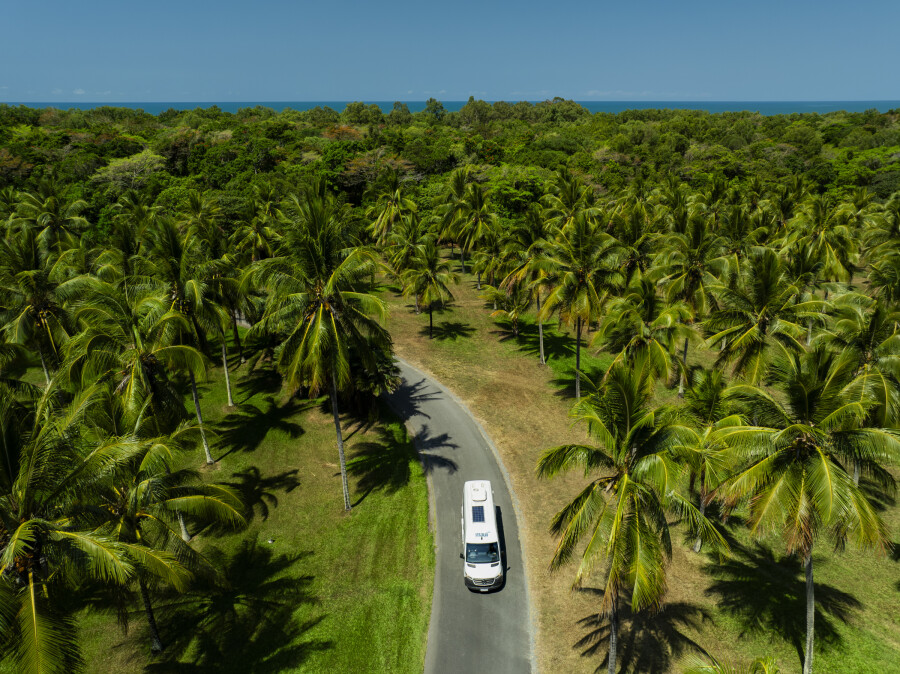
Australia is one of the best countries in the world for campervan travel, but understanding the rules around free camping can be surprisingly confusing. What’s allowed in one state may be banned in another, and many travellers accidentally receive fines simply because they didn’t understand local regulations.
Whether you’re travelling in a campervan relocation from Imoova or planning a longer vanlife adventure, here’s everything you need to know about free camping in Australia.
What Is Free Camping?
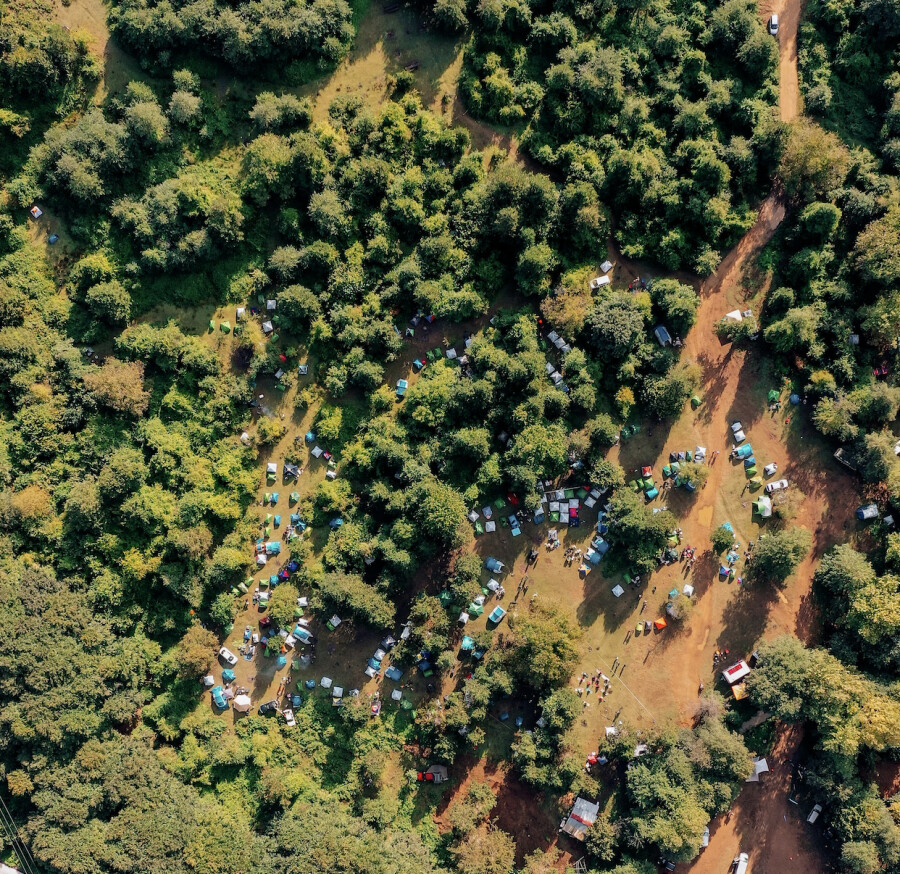
Free camping generally refers to staying overnight somewhere without paying campground fees. This can include:
Designated free camps
Rest areas
Council-approved overnight parking
National park campgrounds with no fees
Informal bush camping areas
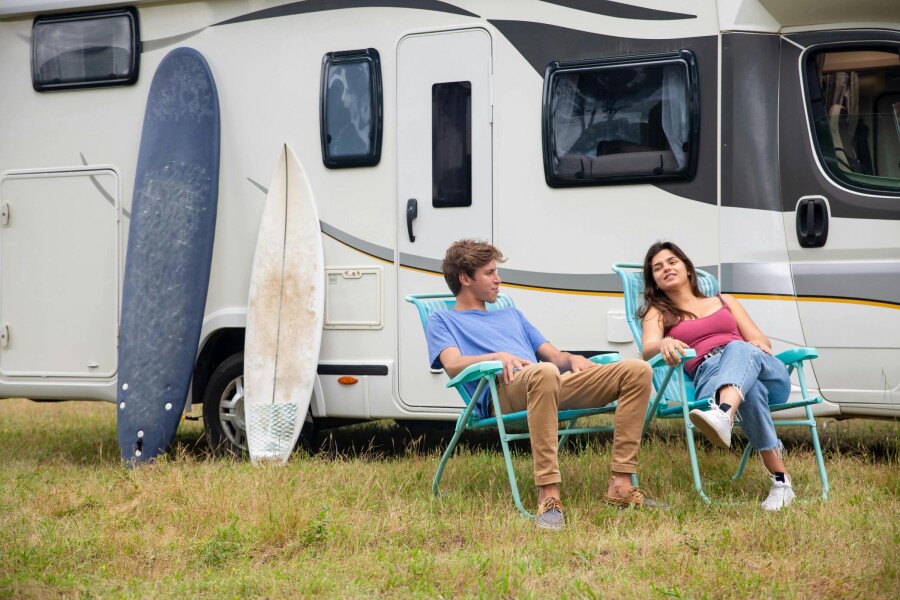
However, “free camping” does not mean you can park and sleep anywhere. Many beaches, city streets, carparks and tourist areas specifically prohibit overnight stays - especially in tourist heavy areas like Byron Bay.
The Biggest Rule: Check Local Council Laws
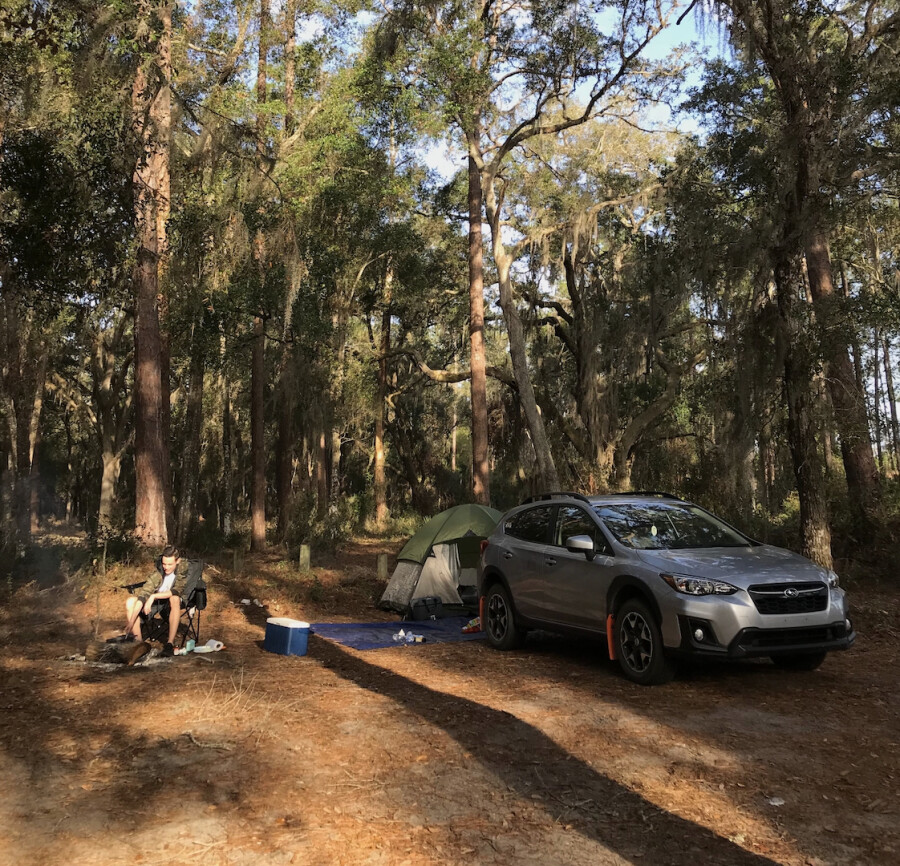
Australia doesn’t have one nationwide free camping law. Instead, rules are controlled by:
State governments
Local councils
National parks
Private landowners
This means regulations can change from town to town.
A beach carpark that allows overnight camping in one region may result in a large fine just 50km away, so you do need to do some planning before setting off on the road.
New South Wales (NSW)
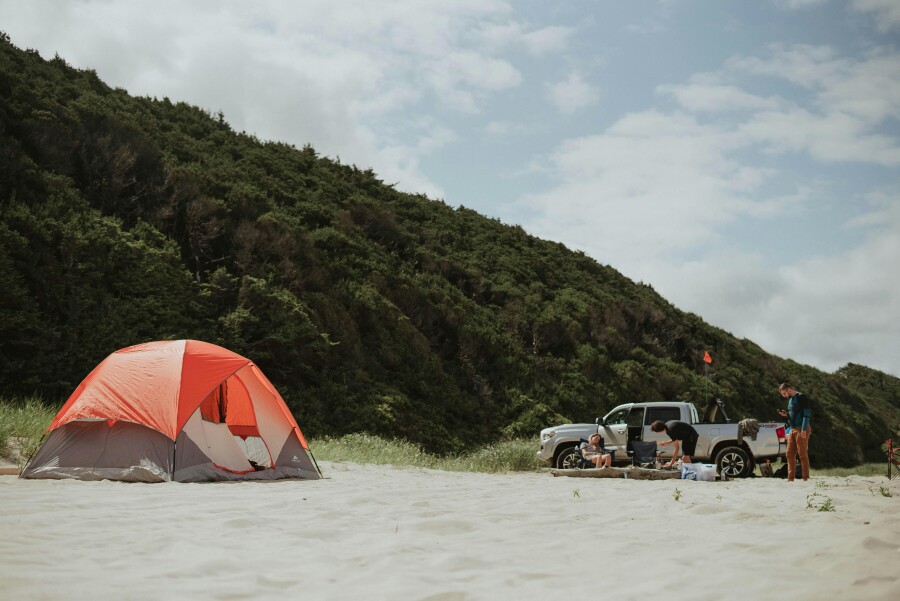
NSW is one of the stricter states for free camping, especially near Sydney and coastal tourist towns.
What’s allowed:
Designated free camps
Some highway rest stops
Certain regional council areas
What’s usually banned:
Sleeping in vehicles in urban areas
Beachfront overnight parking
Camping in non-designated carparks
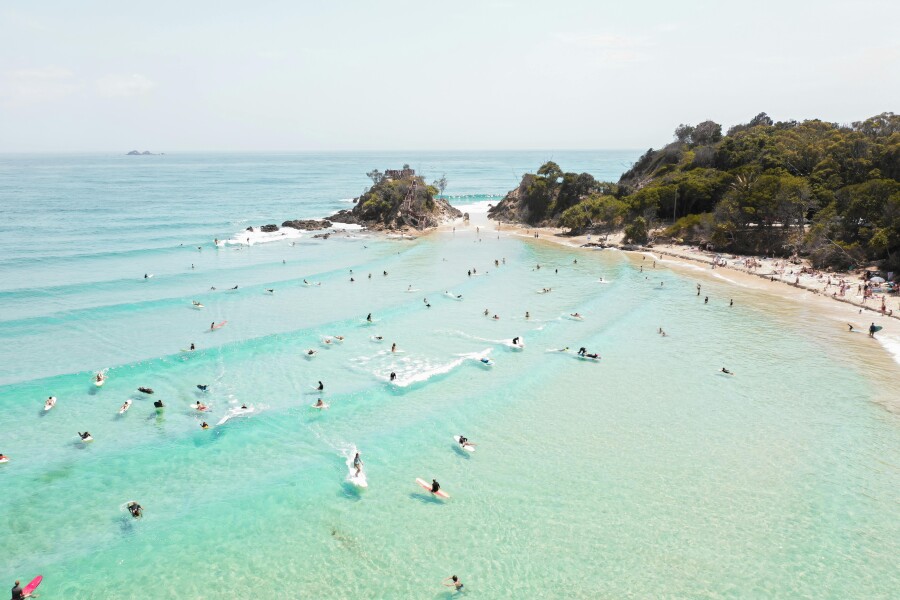
Popular tourist regions like Byron Bay and the South Coast actively patrol illegal camping areas.
Victoria
Victoria has increased low-cost and free camping options in recent years, particularly after the pandemic boosted domestic tourism.
Good options include:
State forest camps
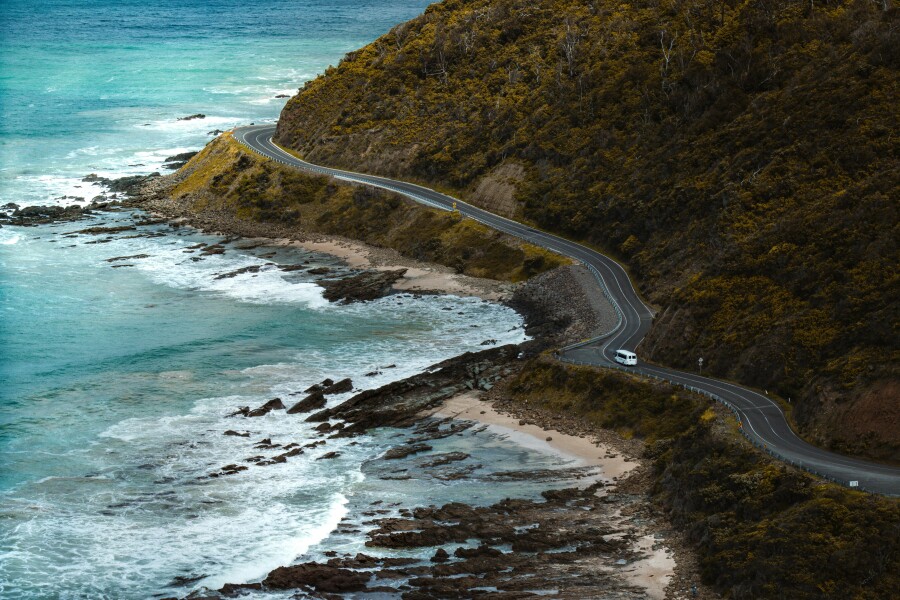
Great Ocean Road inland campgrounds
Some recreation reserves
However, Melbourne and many coastal towns have strict no-overnight-parking rules.
Queensland
Queensland is one of the better states for budget campervan travellers thanks to its large number of rest stops and regional camping areas.
You’ll commonly find:
Free inland camps
Budget council campgrounds
Highway rest areas for short stays
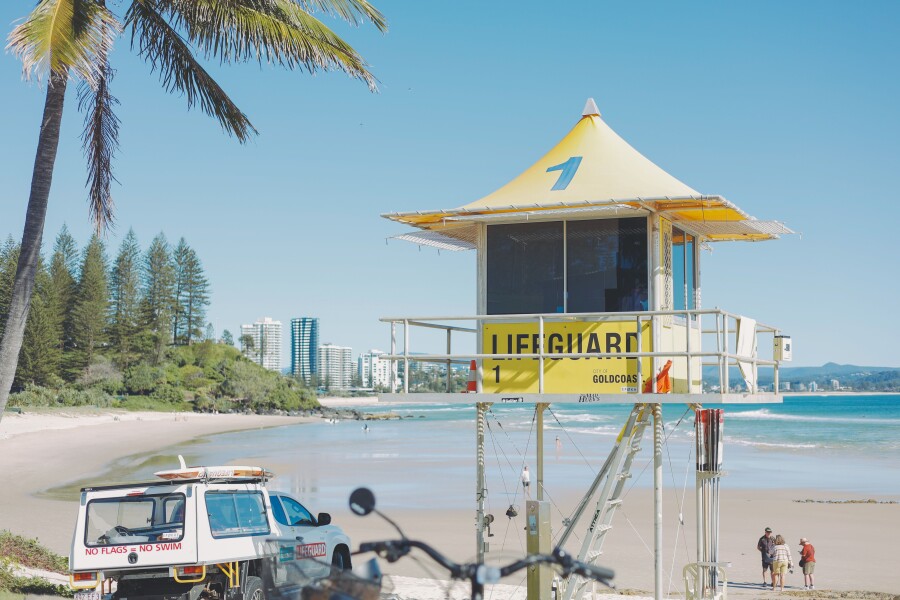
Tourist hotspots like the Gold Coast, Noosa and Cairns are generally much stricter.
South Australia
South Australia is considered one of Australia’s most campervan-friendly states.
Many small towns actively encourage roadtrippers to stay overnight to support local businesses.
You’ll find:
Donation camps
Low-cost community camps
Long-distance outback rest areas
Western Australia
WA is excellent for free camping due to its huge distances and remote nature.
You’ll find countless:
Rest areas
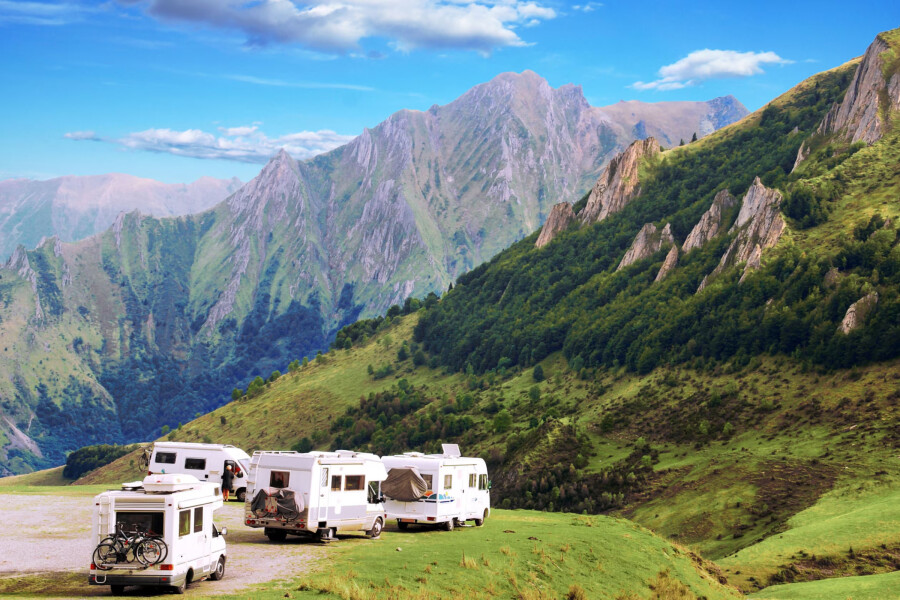
Bush camps
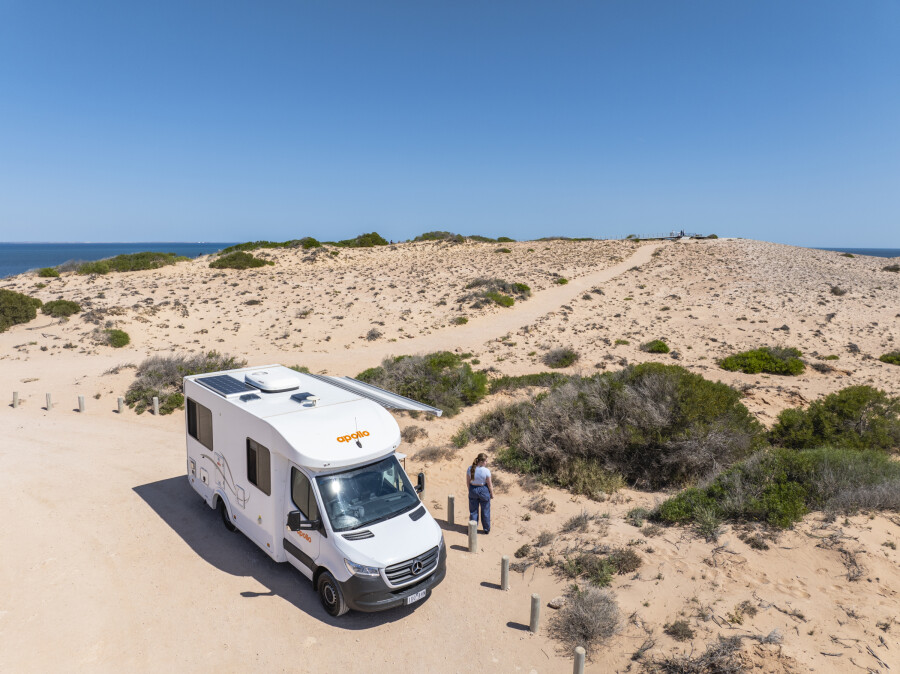
Coastal overnight spots
Remote station stays
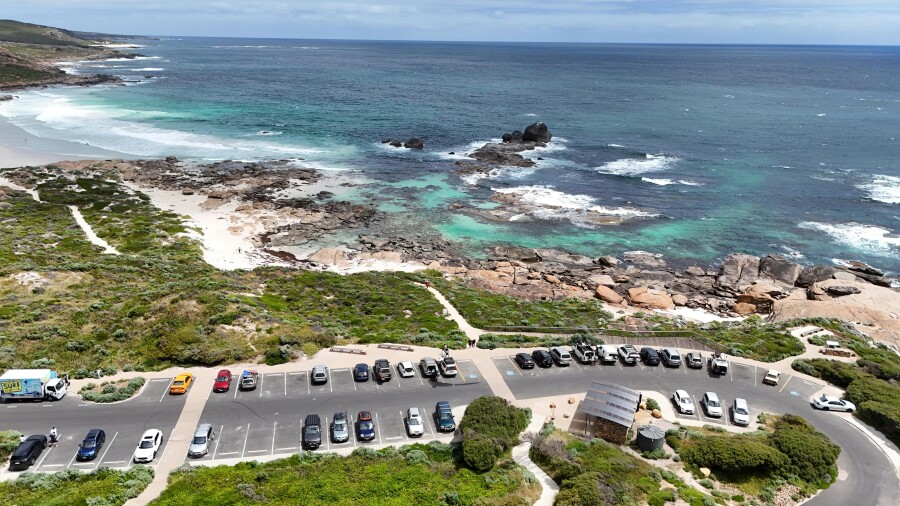
However, some popular coastal areas now limit overnight stays due to overcrowding.
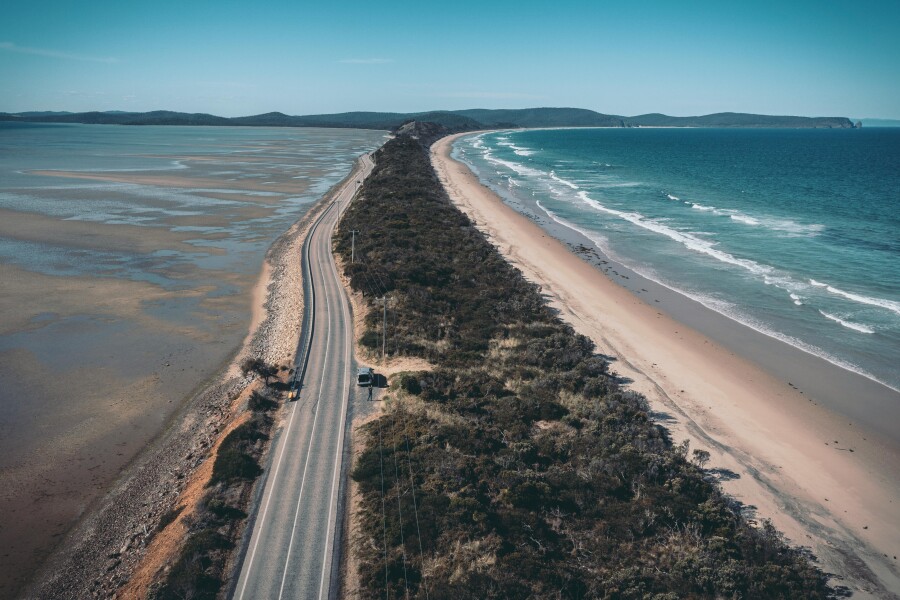
Tasmania
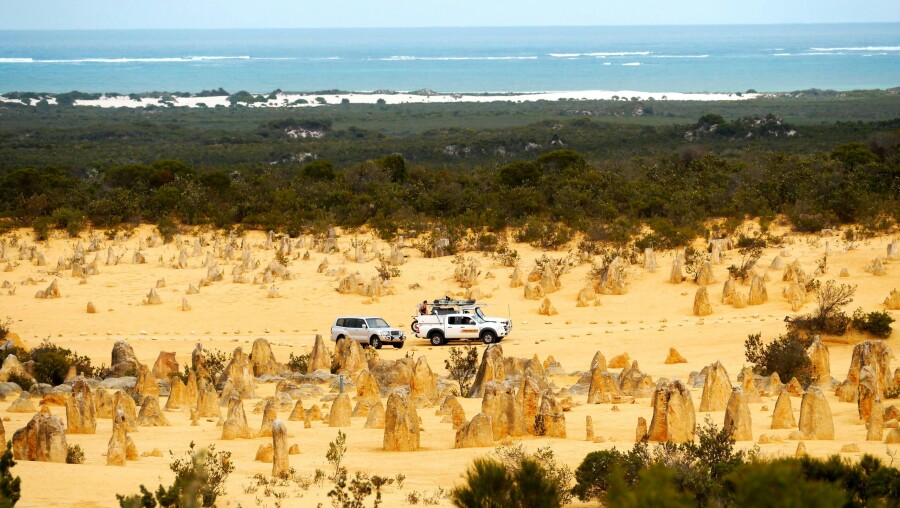
Tasmania is very campervan-friendly and offers plenty of low-cost or free camping.
Many travellers combine:
Free camps
National park stays
Farm stays
Paid holiday parks every few nights
Because Tasmania is compact, it’s easier to mix free and paid accommodation while keeping costs low.
Northern Territory
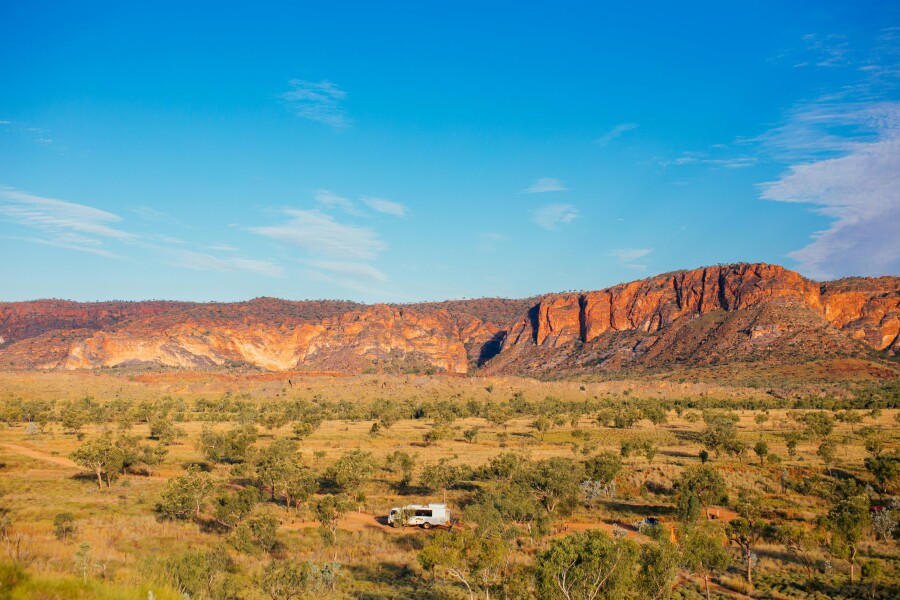
The NT is famous for remote roadtripping and offers many legal overnight rest stops.
Long driving distances mean authorities are often more flexible with overnight stays in designated rest areas.
Best Apps for Finding Legal Free Camps
Before parking overnight, use apps that show current camping rules and traveller reviews.
Popular options include:
WikiCamps Australia
CamperMate
Hipcamp
iOverlander
These apps help travellers avoid fines and find facilities like toilets, showers and dump points.
Tips to Avoid Fines
1. Never ignore signage
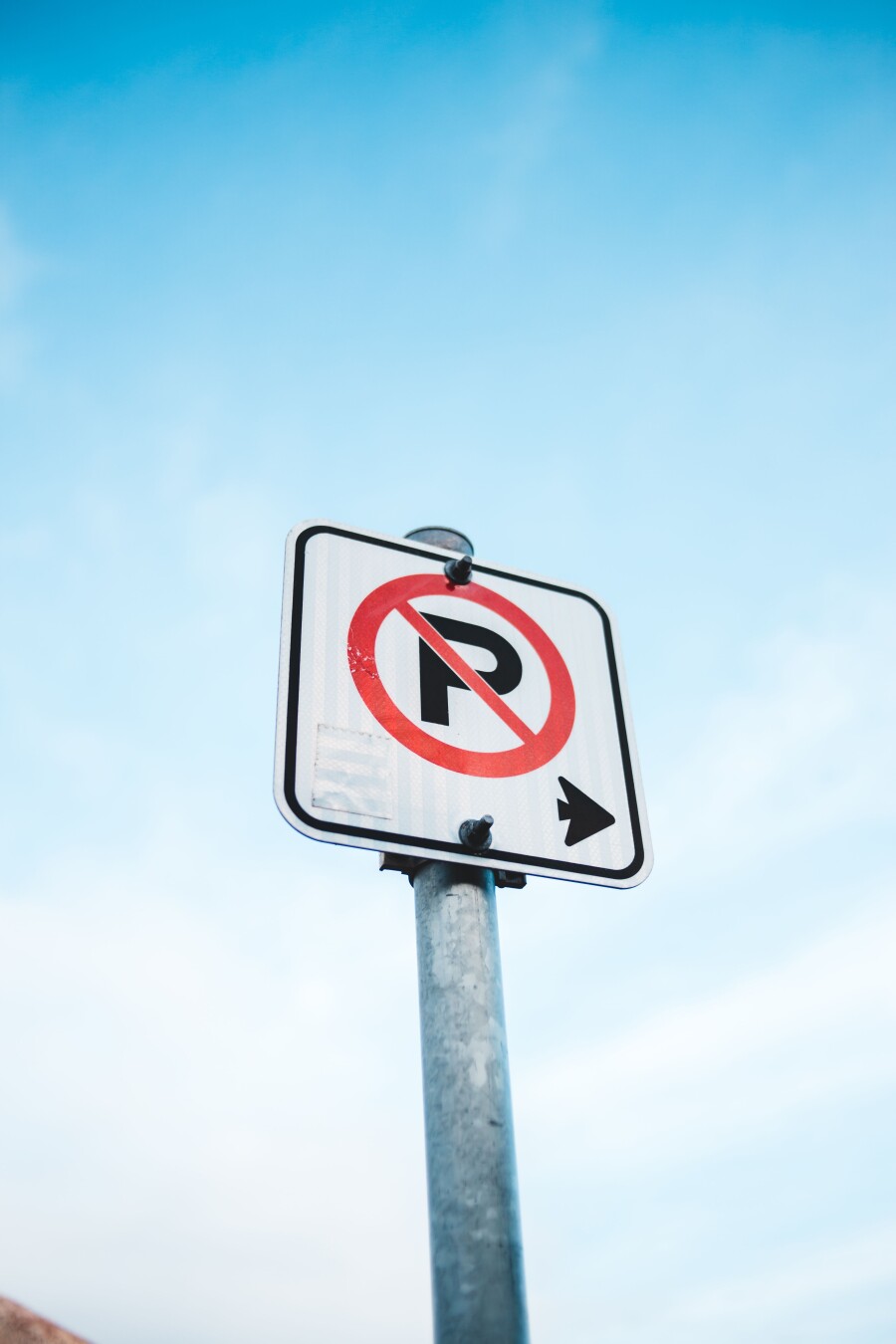
“No Overnight Camping” signs are heavily enforced in many areas.
2. Arrive late, leave early
Especially in rest areas.
3. Avoid setting up outside
Tables, chairs and awnings often attract ranger attention.
4. Respect local communities
Bad traveller behaviour is one reason many councils tighten camping laws.
Why Campervan Relocations Make Budget Travel Easier
One of the cheapest ways to roadtrip Australia is through campervan relocations with Imoova.
Instead of paying standard rental prices, travellers can relocate vehicles between cities for as little as $1 per day. This makes it much easier to combine budget camping with affordable transport.
Popular relocation routes include:
Sydney to Brisbane
Cairns to Darwin
Melbourne to Adelaide
Perth to Broome
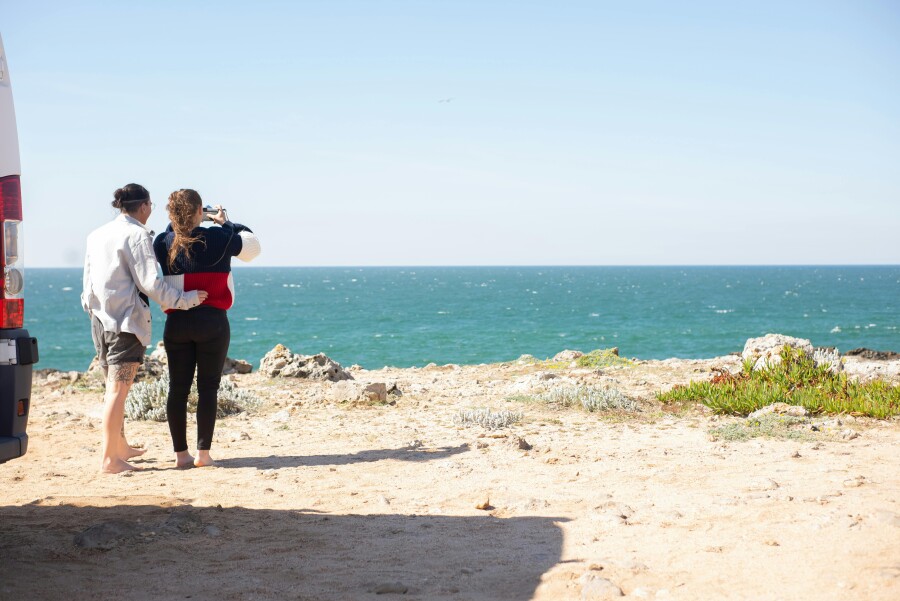
For travellers looking to explore Australia affordably, combining relocations with free camping can dramatically reduce overall trip costs. What's even better is that you can often get fuel or gerry reimbursements too, making it even more budget friendly.
Free camping in Australia can save travellers thousands of dollars, but it’s important to understand that rules vary widely between states and councils.
With a little planning, the right apps, and respect for local regulations, campervan travellers can experience incredible roadtrips without blowing their budget.
You can book your budget roadtrip here.
关注我们社交媒体
保持联系,获取最新更新和旅行灵感