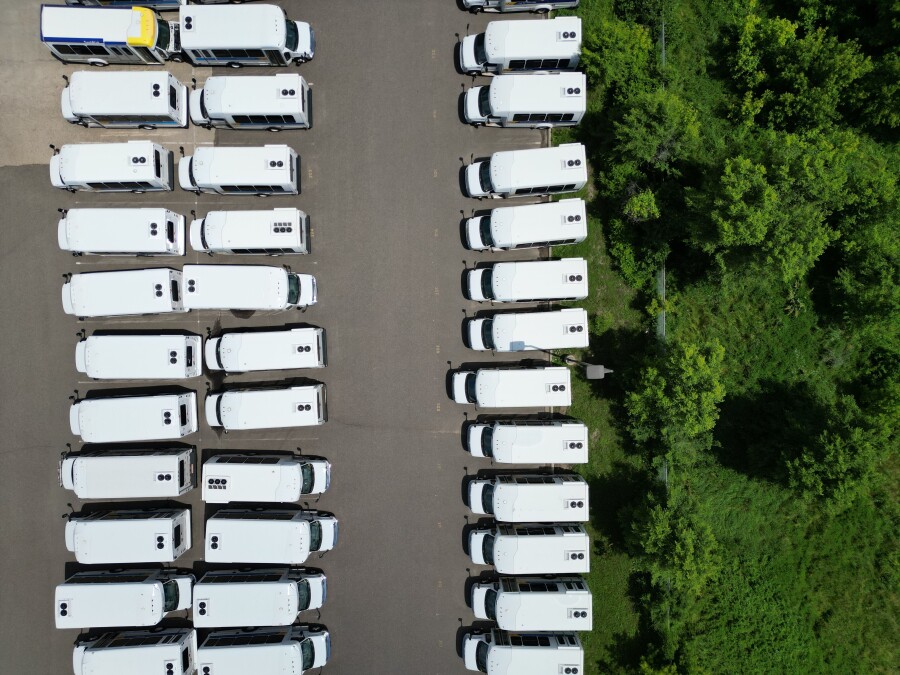
Fleet Repositioning Explained: Everything Rental Companies Need to Know
Learn what fleet repositioning is, why it matters, and how rental companies can reduce transport costs while improving fleet utilisation with smarter vehicle relocations.

Alannah F
Marketing Manager
Whether you manage a fleet of 50 vehicles or 5,000, one challenge never goes away - getting the right vehicles in the right place at the right time.
Demand constantly shifts. Airport locations fill up after holiday periods, city branches run low during weekends, and one-way rentals leave fleets unbalanced across regions. Every vehicle sitting in the wrong location represents lost revenue and unnecessary operational costs.
Fleet repositioning is the process of moving vehicles to where they're needed most and for rental companies, it's one of the most important operational strategies for maximising utilisation and profitability.
What is fleet repositioning?
Fleet repositioning is the planned movement of vehicles between locations to balance inventory and meet customer demand.
This could involve moving vehicles:
Between airport and city branches
From low-demand regions to high-demand areas
To prepare for seasonal travel
Following one-way rentals
To dealerships or maintenance centres
From factories to rental branches
The goal is simple: minimise downtime and ensure vehicles are available where customers want them.
Why fleet repositioning matters
Every day a vehicle sits idle in the wrong location costs money.
Poor fleet distribution can lead to:
Lost bookings due to unavailable vehicles
Excess parking costs
Lower fleet utilisation
Increased transport expenses
Customer dissatisfaction
Reduced revenue per vehicle
A proactive repositioning strategy helps rental companies respond quickly to changing demand while keeping vehicles earning revenue.
Common causes of fleet imbalance
Several factors contribute to uneven fleet distribution:
One-way rentals
One-way rentals are popular with customers but often leave vehicles concentrated in destinations rather than their original locations.
Seasonal travel
Holiday periods create predictable migration patterns. Coastal towns, ski destinations, and major tourist cities all experience significant fluctuations throughout the year.
Special events
Music festivals, sporting events, conferences and school holidays can dramatically alter demand in specific locations.
Branch performance
Different branches naturally experience different booking volumes, requiring regular balancing of available vehicles.
Traditional vehicle relocation methods
Most fleet operators use one or more of the following methods:
Staff drivers
Using employees to transfer vehicles offers flexibility but takes staff away from their primary responsibilities and incurs labour costs.
Professional drivers
Dedicated vehicle drivers provide a reliable solution for urgent or complex relocations but are generally more expensive for routine transfers.
Vehicle transport companies
Transporting vehicles on trucks is ideal for large volumes but may involve scheduling delays and higher costs.
Customer relocations: a smarter alternative
Customer relocations offer another way to reposition vehicles.
Instead of paying someone to move a vehicle, rental companies offer discounted one-way rentals to travellers already planning that journey.
Customers receive an affordable road trip, while fleet operators relocate vehicles at a fraction of traditional transport costs.
This approach works particularly well on popular tourist routes and seasonal travel corridors.
When professional drivers are the better option
Customer relocations aren't suitable for every movement.
Professional drivers remain essential when:
Vehicles need moving urgently
Routes have limited customer demand
Commercial vehicles require specialist handling
Delivery deadlines are critical
Many successful fleet operators combine both approaches to maximise efficiency.
Best practices for effective fleet repositioning
Successful fleet management starts with planning.
Some key strategies include:
Monitor booking trends regularly
Forecast seasonal demand
Analyse one-way rental patterns
Schedule relocations before shortages occur
Use multiple transport methods depending on urgency
Track relocation costs and vehicle downtime
The more proactive your planning, the lower your operational costs.
How Imoova supports fleet repositioning
Imoova helps rental companies move vehicles efficiently through two complementary solutions:
Customer Relocations
Perfect for:
Popular routes
Seasonal demand
Tourism destinations
Flexible delivery windows
Professional Drivers
Ideal for:
Time-sensitive movements
Commercial vehicles
Low-demand routes
Guaranteed delivery schedules
Having both options available allows fleet managers to choose the most cost-effective solution for every relocation.
With more than 100,000 vehicle movements completed worldwide, Imoova supports rental companies across multiple markets by helping reduce transport costs while improving fleet utilisation.
As customer travel patterns continue to evolve, rental companies that embrace flexible relocation strategies will be better positioned to improve efficiency and profitability.
Looking to reduce vehicle relocation costs? Contact the Imoova Trade Partners team here for a free, no-obligation discussion about how customer relocations and professional drivers can support your fleet operations.
Folgen Sie uns in den sozialen Medien
Bleiben Sie verbunden für die neuesten Updates und Reiseinspirationen